Start with the time zones, not the map
A team spread from San Francisco to Singapore has very few hours in common. Before any venue is discussed, list where participants live, their working hours and the time difference with Paris. For most of the year, Paris is one hour ahead of London and nine hours ahead of San Francisco, although the clocks change on different dates in each place.
The working sessions should sit in the window where most people are awake and at their desks, usually the European afternoon. Colleagues in Asia-Pacific may then need an early start or a recorded replay. Put these arrangements in the agenda before the retreat, so that nobody discovers at the last minute that a key session falls at night for them.
The time zones also decide the travel pattern. A team with many participants in North America usually arrives in Paris on a morning flight, which means the first afternoon is largely lost. Planning around this from the outset avoids an overloaded first day.
Choose the region before the venue
For a retreat in France, the region shapes travel more than the venue does. Paris has the largest choice of long-haul flights and is the simplest hub for participants from several continents. From Paris, the fastest direct TGV to Bordeaux takes about 2 hours 4 minutes according to the opening-era timetable reported in the press, and Tours in the Loire Valley is around one hour 15 minutes by the fastest direct trains.
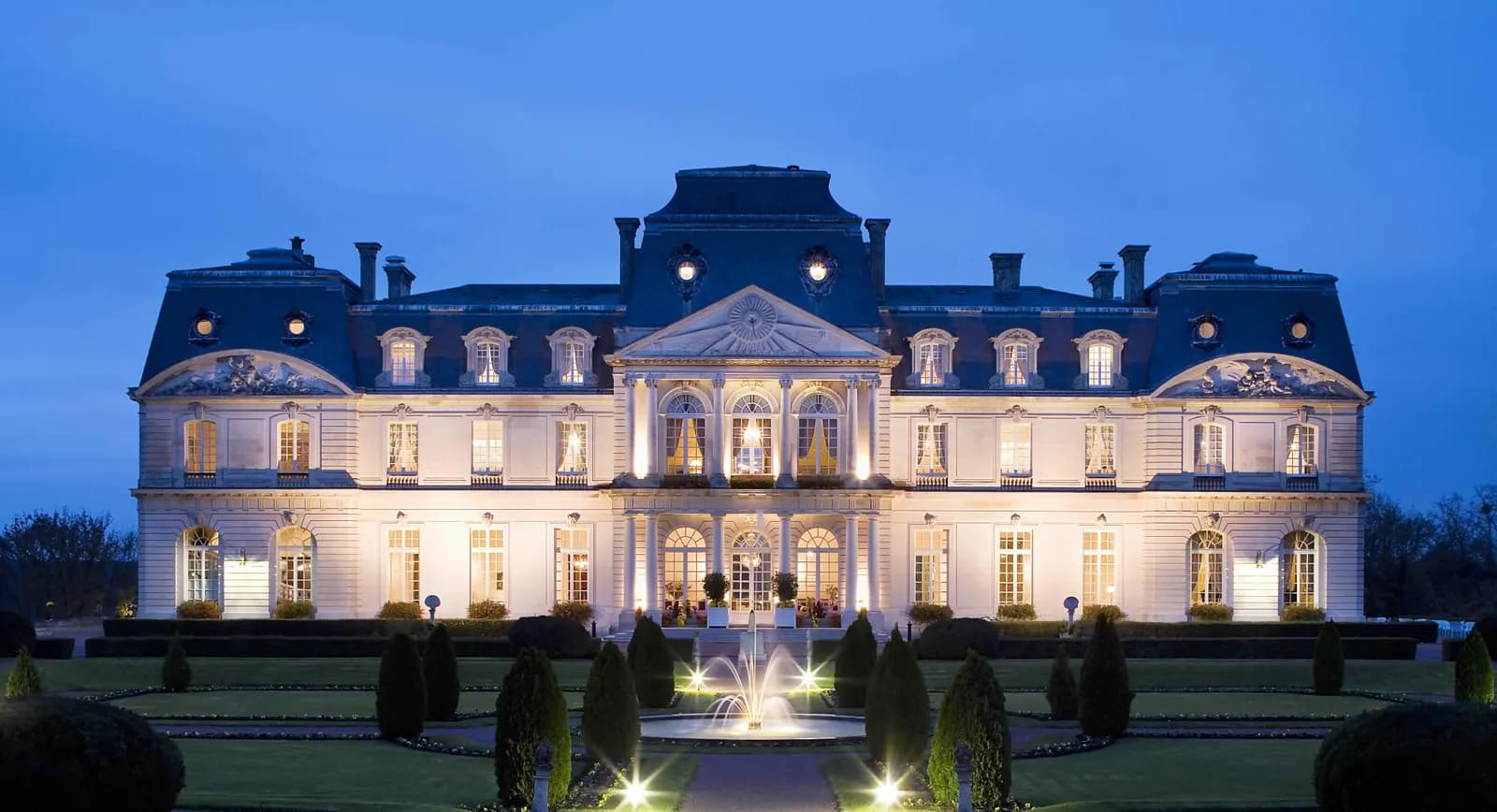
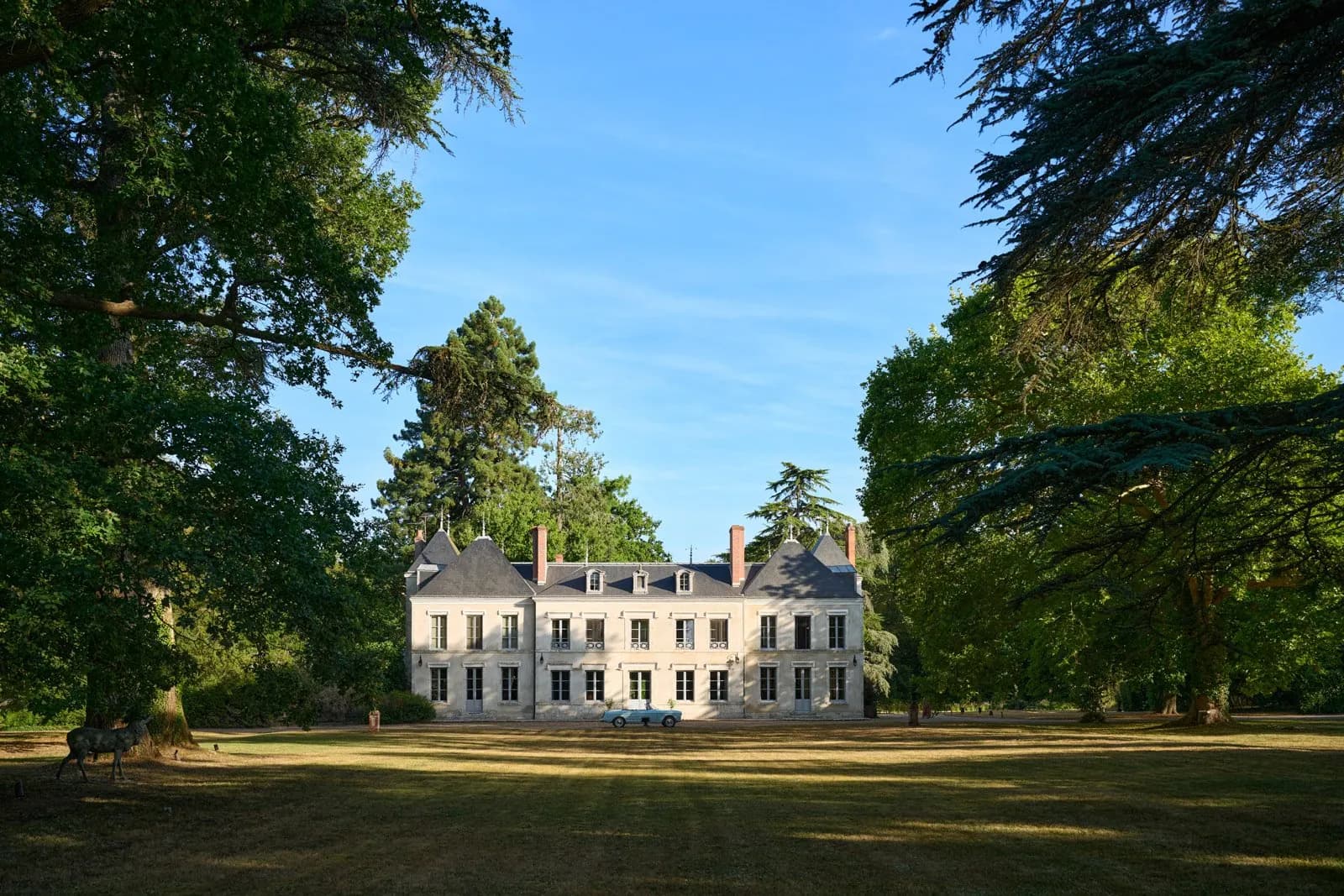
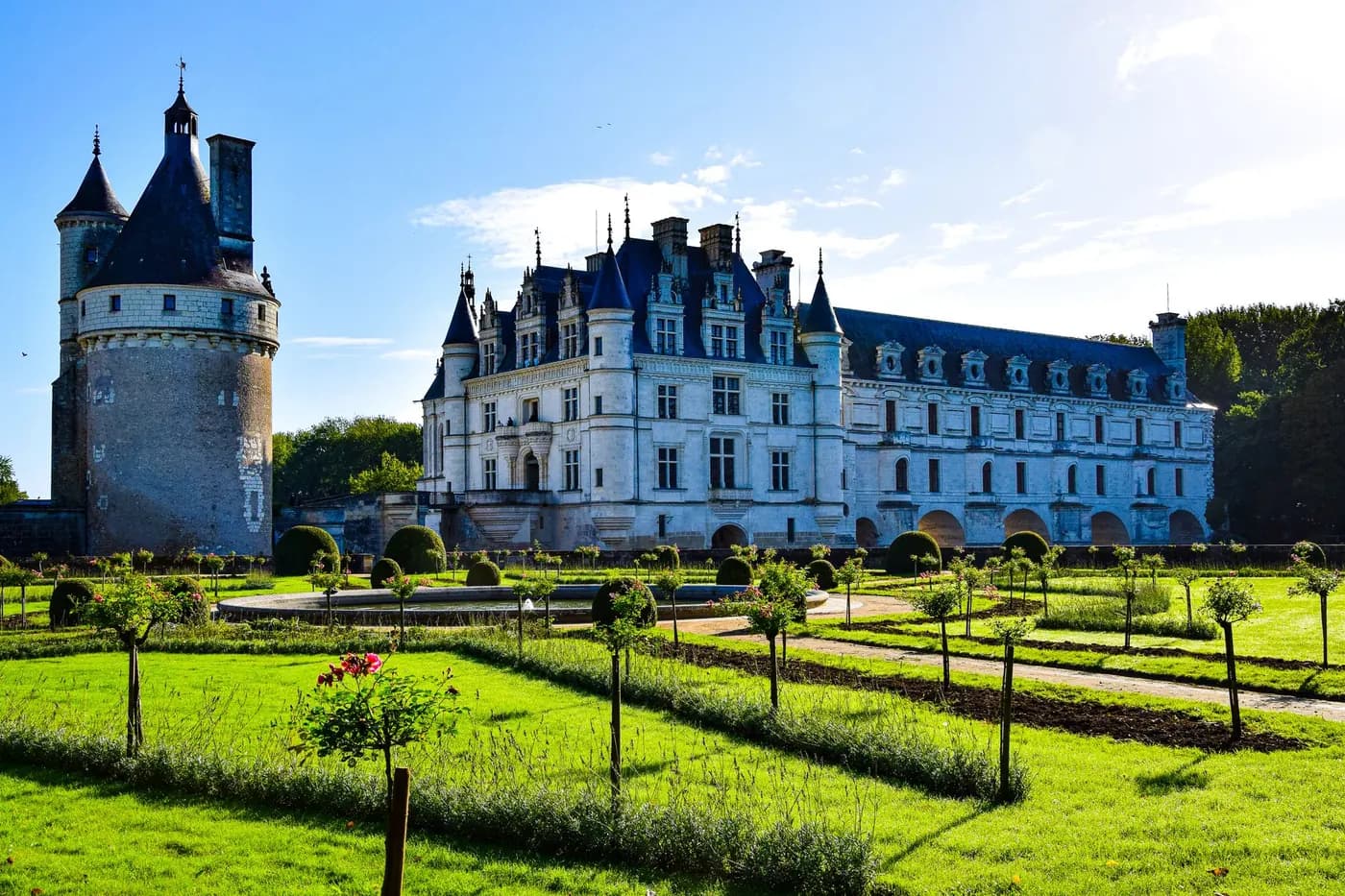
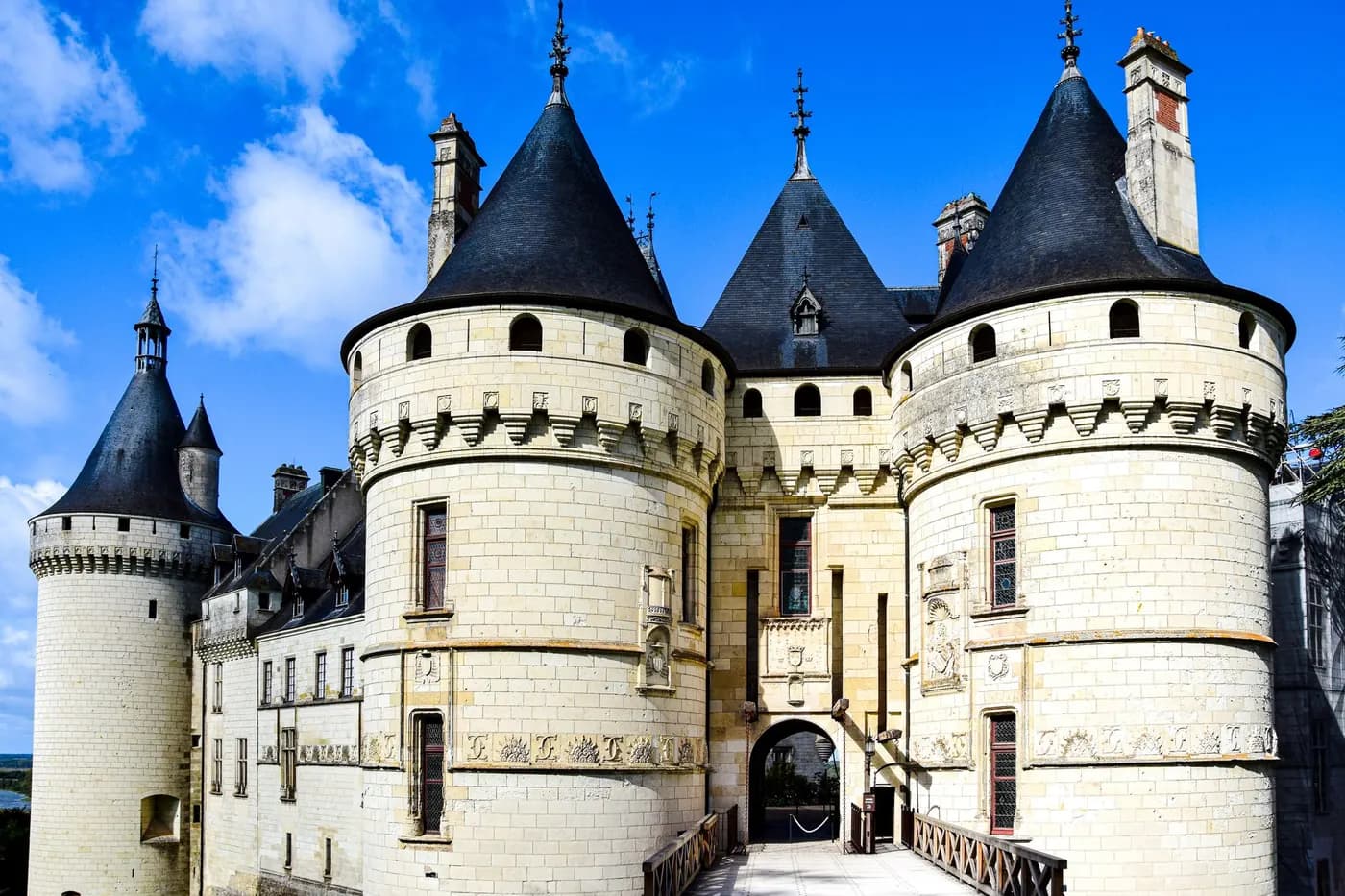
The Loire Valley works well for a residential seminar in a château, close enough to Paris for a single transfer and far enough to create a retreat atmosphere. Regions further away, such as the Alps or the French Riviera, add more hours to the journey. Those hours are acceptable for a three-day retreat, but they must be counted in the budget and in the working day.
For a team spread across Europe, a single rail-connected region is often easier than a remote island or a mountain resort that requires a car. Make the decision with a short list of two or three regions and compare door-to-door times, not only flight times.
Visas and entry: check each passport separately
France is part of the Schengen area, and the uniform short-stay visa allows a stay of up to 90 days within any 180-day period. The official France-Visas portal explains that the limit applies across the whole Schengen area, not per country, and that it is checked at entry. Participants who hold a passport from a visa-exempt country can usually travel without a visa for a short stay, but this must be confirmed for each person.
Participants who need a visa should apply through the consulate or visa centre responsible for their place of residence. Processing times and appointment availability vary, so the list of nationalities should be established as early as the venue is chosen. Ask the venue whether it needs a letter confirming the event, and keep copies of the booking, the agenda and the travel insurance with each traveller.
For a team of mixed nationalities, a simple table is useful: name, passport country, visa status, booking reference and application date. Review it two months before the event, when there is still time to react.
Flights, transfers and the arrival day
Most distributed teams fly into Paris Charles de Gaulle or Paris Orly, then take a train or coach to the venue. Ask participants for their preferred airport and arrival time at least two months ahead, so that group transfers can be grouped by arrival wave rather than by individual taxi. Avoid planning a single coach for a team arriving over several hours, since waiting at the airport is the most common source of frustration on the first day.
The arrival day should be deliberately light. Participants who have travelled overnight from North America or Asia need rest, so schedule only a welcome lunch or an informal dinner and move the first working session to the following morning. Include a clear meeting point, a local contact with a mobile phone and a fallback plan for late flights.
Finally, check French public holidays and planned strike days before fixing dates. Strikes can affect trains and flights at short notice, so keep a flexible option, such as a train slot an hour earlier than the group needs, and a named person responsible for re-routing.
Budget, contracts and contingency
Budgets for a distributed retreat should be presented as indicative ranges until the programme is fixed. The main variables are the number of participants, the nights, the level of accommodation and the number of transfers. A château seminar and a city-centre conference hotel can differ substantially, and so can long-haul fares depending on the season.
Ask for itemised quotes that show venue hire, rooms, meals, audiovisual equipment, transfers and local taxes, and check whether prices are quoted excluding or including VAT. Read the cancellation terms with care, especially for flights and rooms that are booked in blocks. Keep a contingency of around ten per cent for changes, and agree in advance who approves additional costs.
A sound contract also states what happens if a participant cannot obtain a visa or a travel disruption affects a group of people. Discuss these cases with the supplier before signing, so that they are not improvised during the event.
Preguntas frecuentes
How long can participants stay in France without a visa?
Under the Schengen short-stay rules, a visitor may stay up to 90 days within any 180-day period across the Schengen area. Whether a visa is needed depends on the passport, so each participant should check the official France-Visas information for their nationality.
Which airport is best for a retreat in France?
For most distributed teams, Paris Charles de Gaulle has the widest choice of long-haul flights, and Paris Orly suits flights from some European and domestic origins. The better choice depends on where participants fly from, and transfers to a regional venue usually start from Paris station.
When should the working sessions start for a team across time zones?
Schedule them in the window where most participants are at their desks, usually the European afternoon, and arrange early starts or recorded replays for colleagues in Asia-Pacific. Publish these arrangements in the agenda before the retreat.
Should the arrival day include work sessions?
It is better to keep it light. Participants who have travelled overnight need rest, so a welcome lunch or informal dinner works well, and the first formal session can start the following morning.
The French DMC · Actualizado