Why team building works in the mountains
Mountains change the atmosphere of a team day. Participants set aside the usual hierarchy at the lift station, they walk side by side, and conversation happens at a natural pace. Megève, at around 1,100 metres, offers a village base with easy access to forests, meadows and high viewpoints, so a group can do something physical without a long drive. The combination of effort, fresh air and a shared meal is a simple formula, and it works with groups who do not describe themselves as sporty.
The key is to design the day around a shared objective rather than around the scenery. A walk that ends with a picnic is a team activity only if people must cooperate on the route, on the pace or on a small task along the way. We therefore ask clients what they want the group to do afterwards: build trust between departments, welcome new members, celebrate a result or reset after a difficult year. The answer determines the format.
Team building in Megève can be arranged for small groups and for large programmes, but the logistics change with the number. A small group can walk together behind one guide. A larger group is divided into smaller teams, each with a guide or a coordinator, and everyone returns to a common point for a shared lunch or a closing session. The result is a day that still feels personal when the group is large.
Finally, plan for a range of ages and fitness levels. The most successful team days are those in which the least confident participant feels supported and the most active one is challenged without being left alone. That balance comes from choosing routes carefully and giving each sub-group a clear role.
Winter formats: snowshoes, ski days and chalet evenings
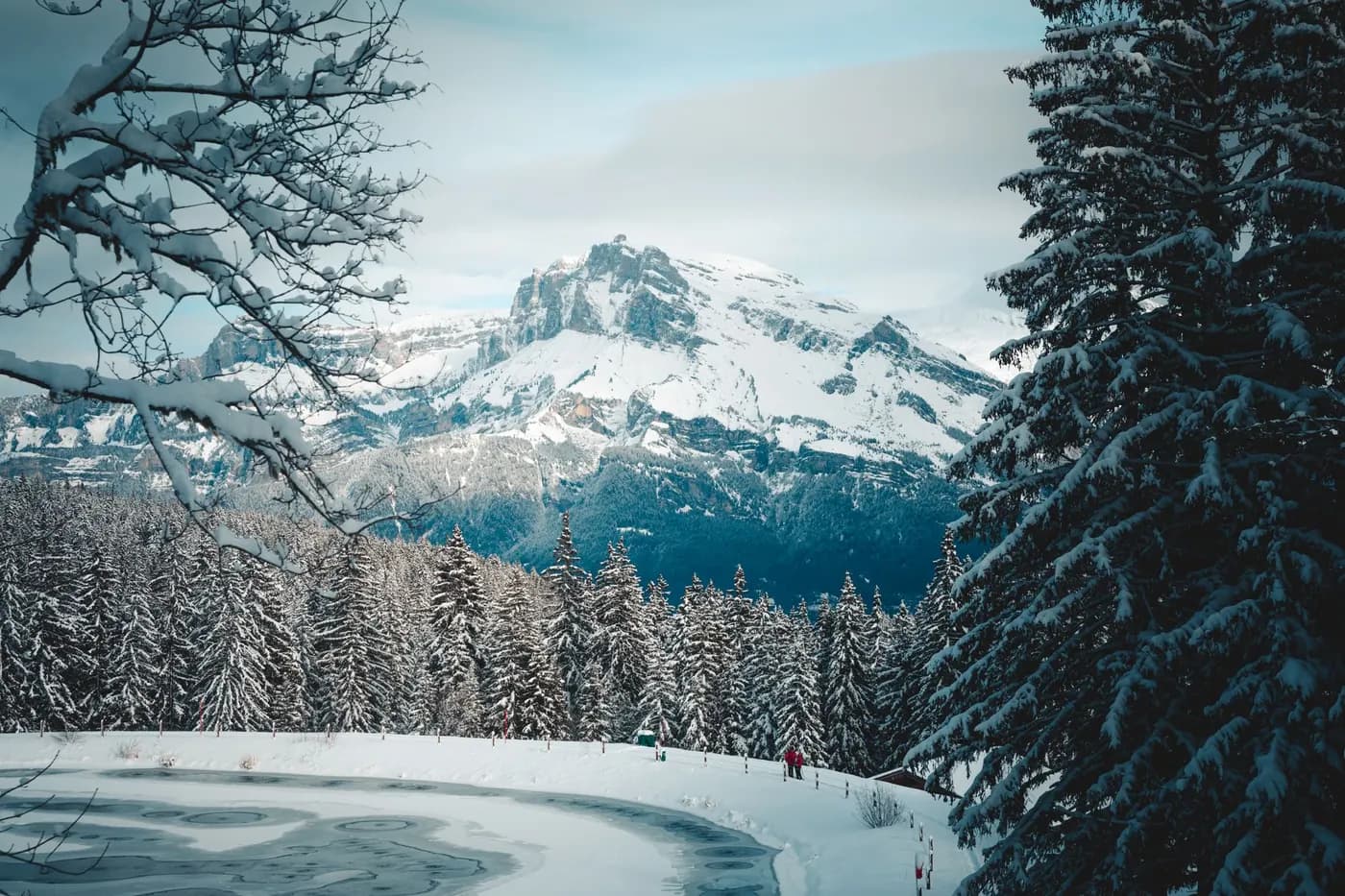
The guided snowshoe walk is the most accessible winter format. Snowshoes, poles and a short briefing are provided at the start point, and the guide chooses the route according to snow conditions, the avalanche bulletin and the group's level. Walks follow forest tracks and open slopes, and they end with a mountain lunch. Because the pace is gentle and conversation comes easily, the format suits mixed groups, including colleagues who do not ski. It is one of the most dependable options in the Megève programme, and it can be shortened or extended on the day.
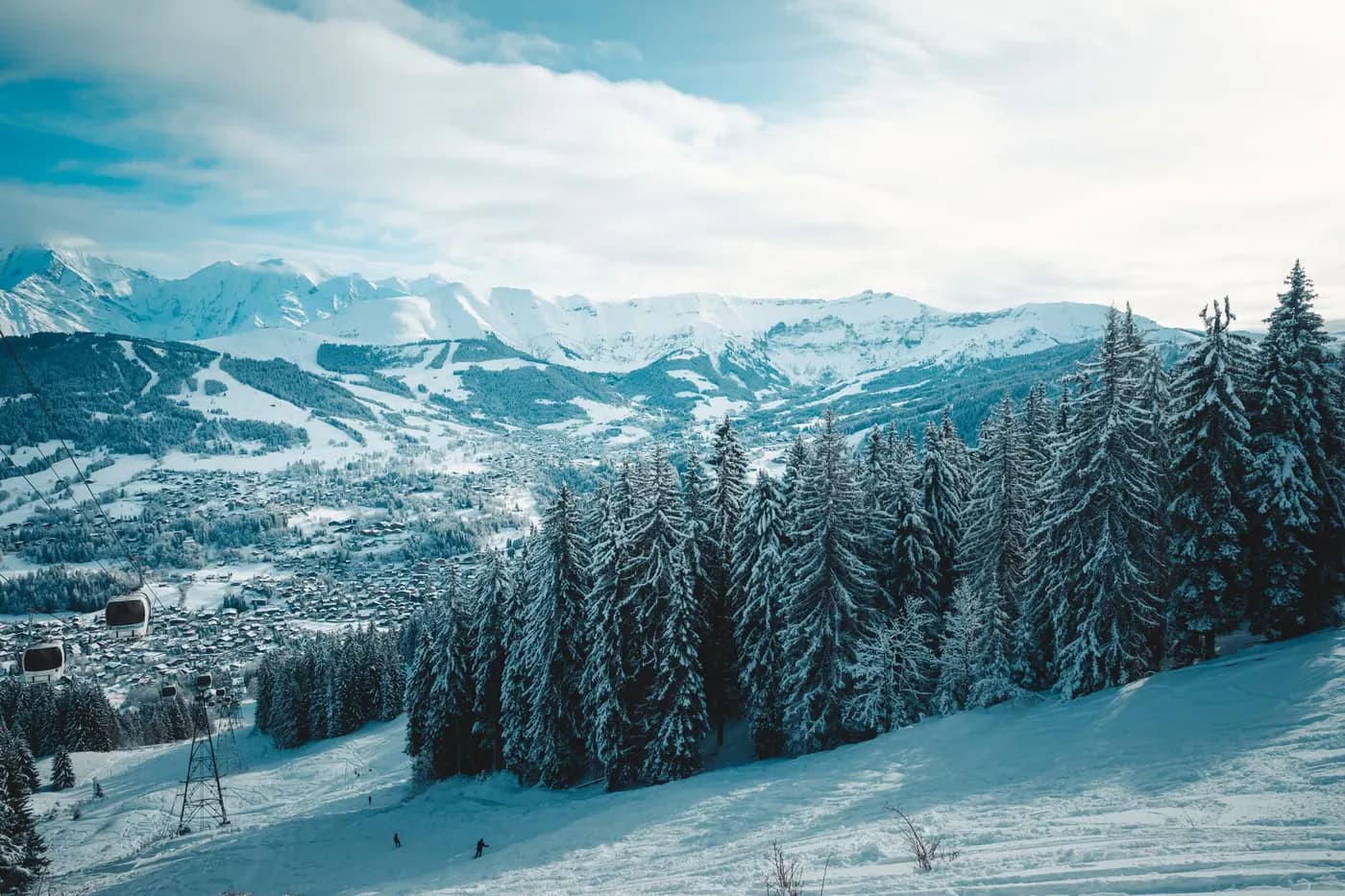
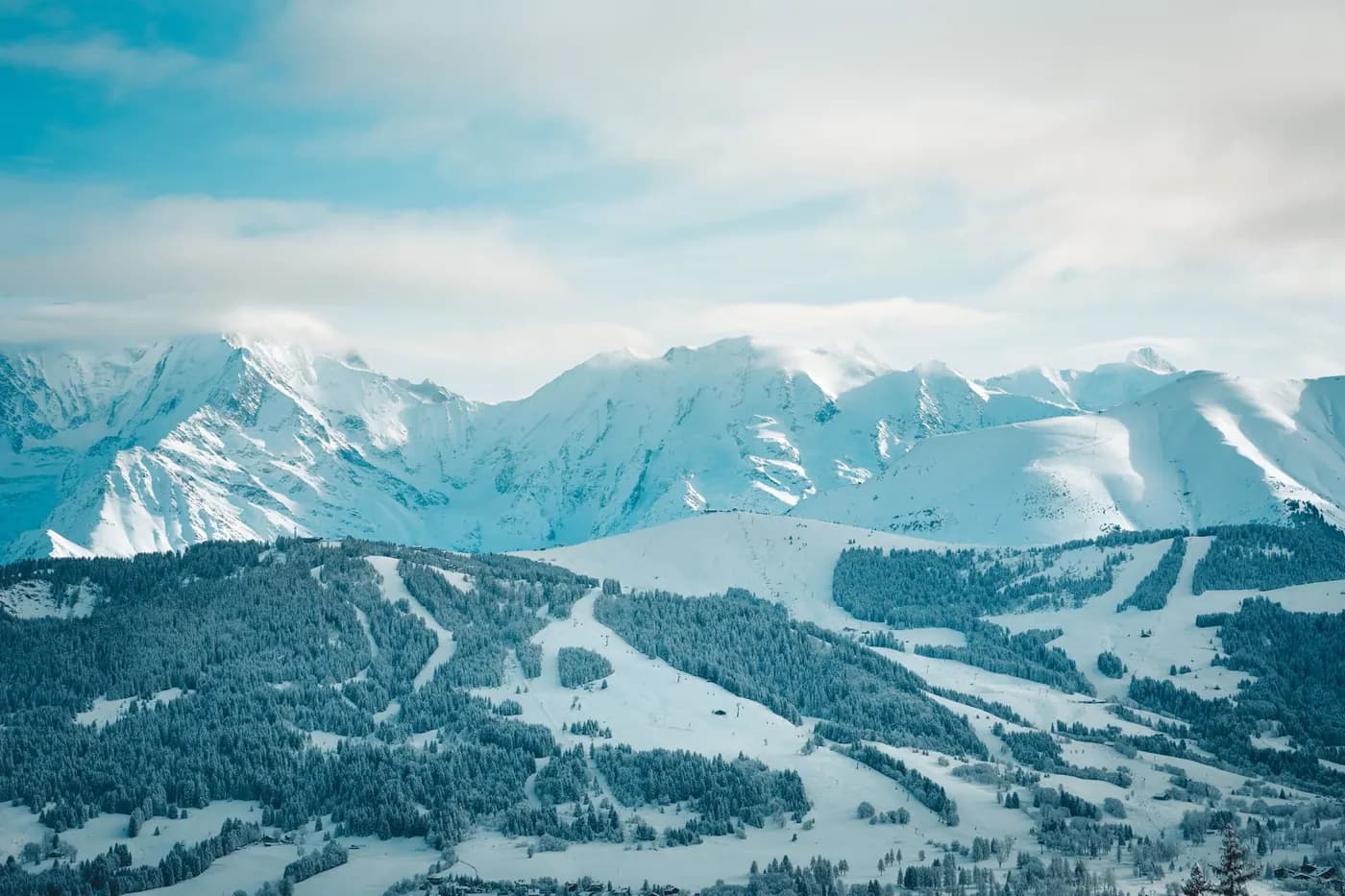
For groups who ski, a day on the slopes with a licensed instructor or guide offers a different kind of team exercise. Teams can be formed by level, with a race, a relay or a timed challenge at the end of the day. Ski days need careful planning: equipment hire, lift passes and early starts all take time, and the group should be at the meeting point well before the first lift opens.
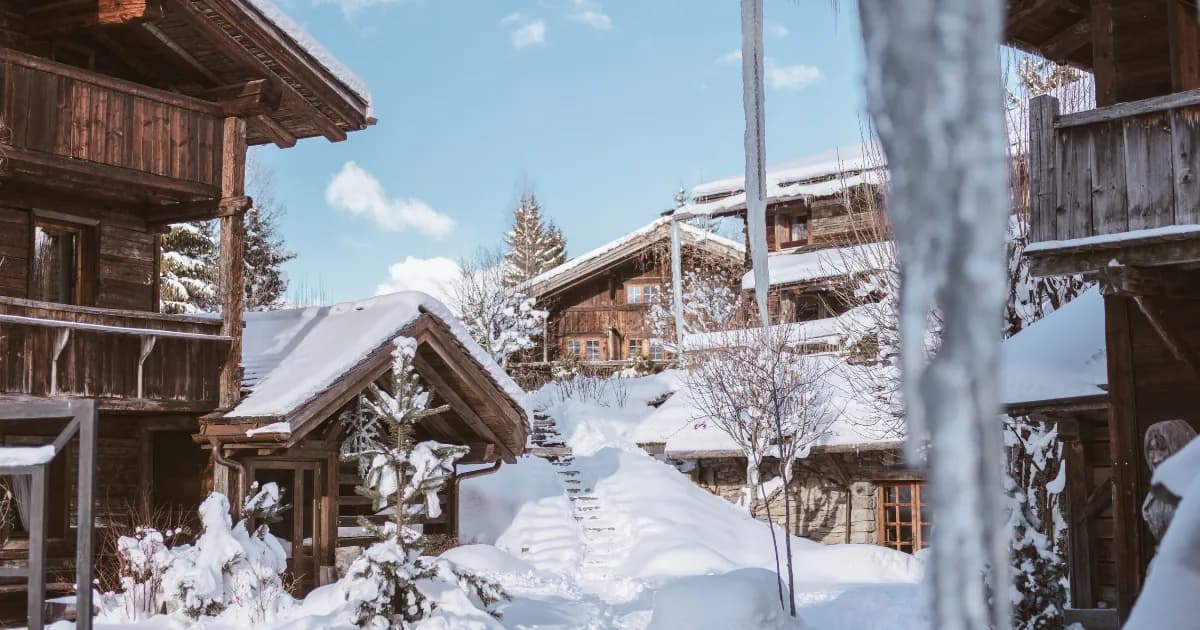
The evening is the natural close of a winter team day. A private alpine chalet offers a reception by the fire, a seated dinner of mountain cuisine and, when the weather allows, a programme under the stars. Our chalet gala format is designed for groups of about twenty to one hundred and twenty guests, and it turns the team day into a shared memory. Chalets for private hire are limited and booked on request, so the evening should be reserved as soon as the dates are fixed.
In winter, every programme should include an indoor option: a spa session in a hotel, a cooking workshop or a quiz in a lounge. Snow can close a route, and the team day should never depend on a single element.
Summer formats: guided hikes, helicopter flights and mountain lunches
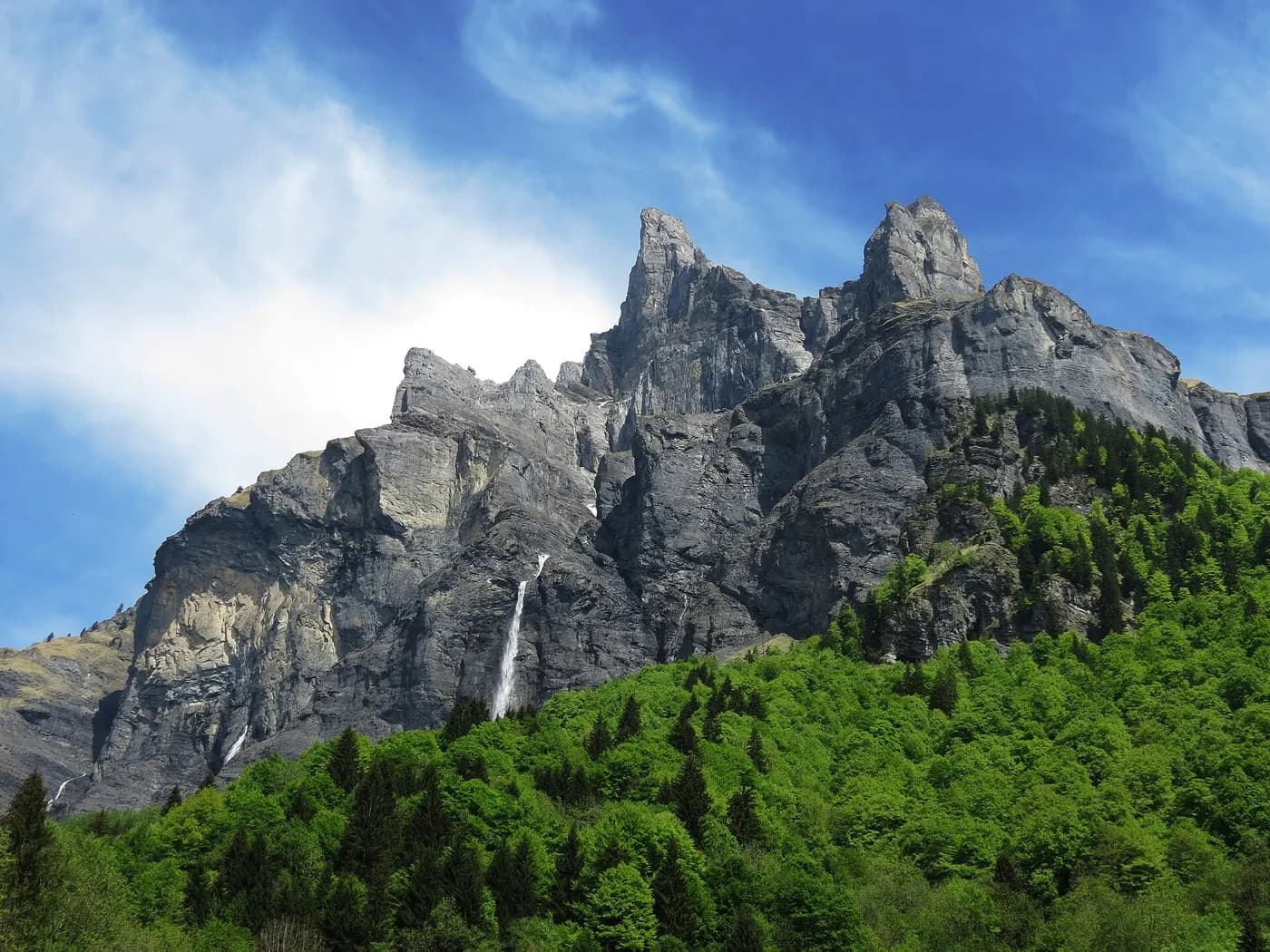
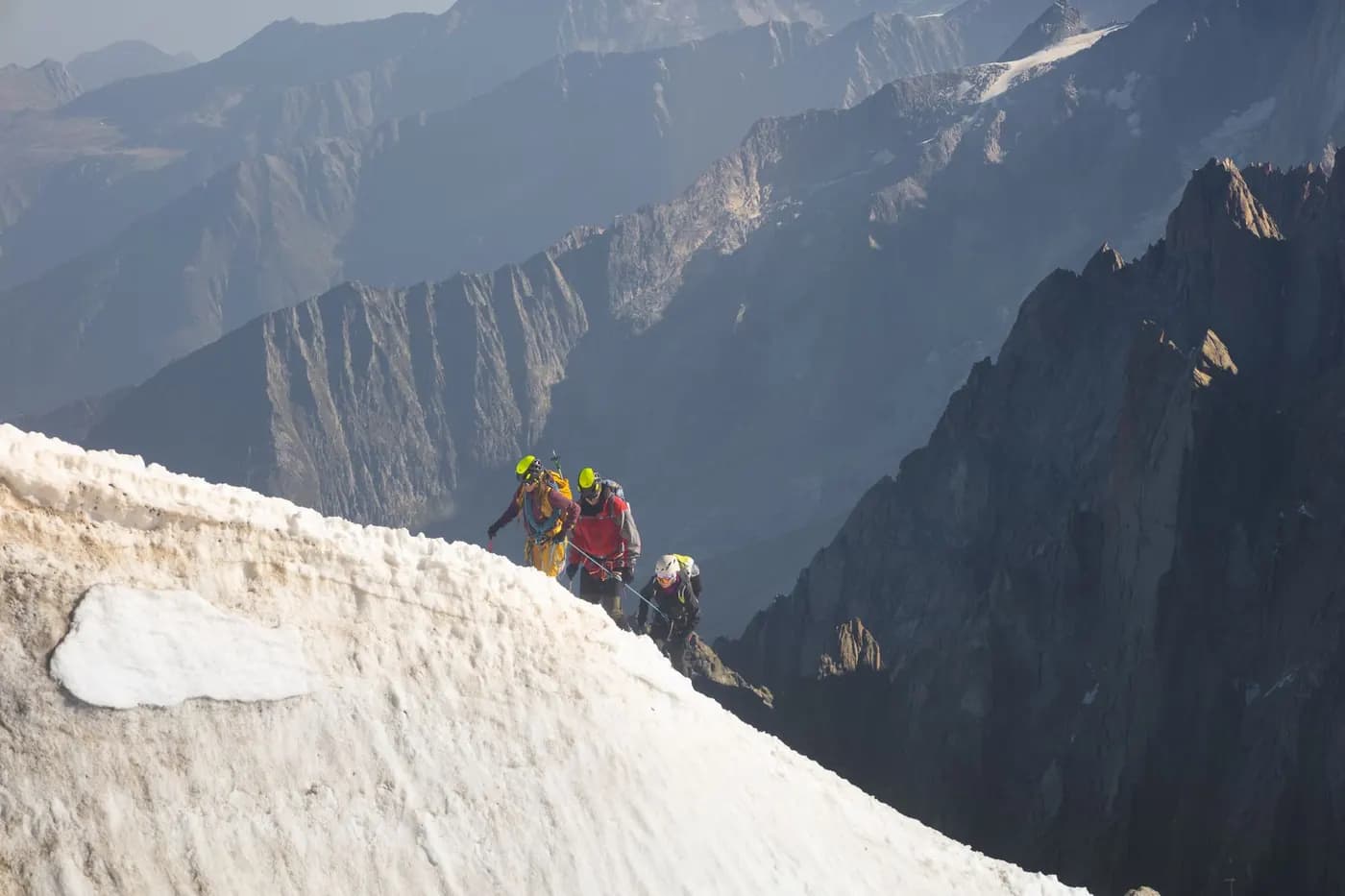
In summer, the Mont Blanc massif offers routes for every level. A guided hike with a licensed mountain guide starts from a mountain lift, climbs to a high viewpoint and ends with a picnic or a mountain lunch. The guide chooses the route on the day, taking into account the forecast, the snow line and the fitness of the group. Every route can be shortened, eased or extended, and the group can be divided into two pace groups, so that everyone reaches the viewpoint together even if their speeds differ.
A helicopter flight over the massif is a memorable addition for a group that wants a strong visual moment. In a single morning, participants see the glaciers and the high valleys, with a pilot who explains the terrain. The usual format is a short shared flight, with a landing at a mountain restaurant for lunch where that can be arranged. Flights depend on the weather and on the rules for high mountain airspace, so the route is confirmed on the day, and the programme always needs a ground alternative.
Summer also offers mountain biking, golf and paragliding discovery in the valley. These formats suit groups that want variety, and they allow a team to split into smaller crews with different objectives. A competitive element, such as a navigation challenge or a photo rally through the village, can be built on top of any of them.
Summer evenings are cooler than in the lowlands, which makes an evening on a terrace or in a chalet especially pleasant. The programme can end with dinner outdoors, provided that a covered space is ready in case the weather turns.
Logistics: group size, transfers and pace
The logistics of a team day in Megève are mainly a matter of time. Transfers from the hotel to the start point, equipment hire, guide briefings and lunch all take longer than planners expect, particularly in winter, when roads are slower and lifts open at fixed times. We build a detailed timeline with buffers and share it with the hotel and the guides, so that everyone works from the same plan.
Group size shapes the format. A small group can walk with a single guide and eat at one table. A larger group should be divided into teams, each with a named coordinator and its own objective. Coaches are scheduled in advance, and the programme specifies who travels with whom. Teams can be mixed by department or by seniority, as the client wishes, and deliberate mixing is one of the strongest levers of a team day.
Pace is the other key variable. At the briefing, the group should be told how long the walk takes, what the terrain is like and what to bring. Participants who are not used to altitude should be encouraged to drink water, to stop when they need to and to say so early. The guide receives the group's profile in advance, including any mobility constraints, so that routes and rest points can be adapted discreetly.
Finally, the closing moment matters. A team day ends better with a short debrief at the lunch table, a group photograph or a simple shared moment than with an abrupt return to the coach.
Safety and weather
Safety is the first duty of any team day in the mountains. Every outdoor activity in our programme is led by a licensed mountain guide or a certified instructor, and the guide has the final say on the route. In winter, the avalanche bulletin is checked on the day, and routes are chosen to stay within the conditions it describes. Snowshoe walks and ski days do not run in conditions the guide considers unsafe, even if the programme was confirmed weeks earlier.
Altitude adds its own considerations. Participants who arrive from sea level may feel tired or short of breath during the first day, so the programme should start gently. Hydration, sun protection and warm layers are essential: temperatures can change quickly, and the sun is strong on snow even in winter.
Weather is the variable that most often changes a programme. A decision point is set in advance, usually the evening before or early on the day of the activity, and the alternative is confirmed at that moment. Every outdoor activity has an indoor replacement: a spa session, a cooking workshop, a room with a panoramic view or a dinner in a chalet. The group is told about any change early, so that the day still feels planned.
Health and insurance information should be collected before the event. Participants with medical conditions, mobility limitations or specific dietary needs declare them to the organiser, who shares with the guide and the hotel what is needed, and only that.
Choosing the right format for your group
The best format depends on three questions: what the group needs to achieve, how mixed its fitness levels are and how much time is available. For a new team that needs to build trust, a guided snowshoe walk followed by a chalet dinner is usually the right choice. For a leadership group that has worked hard for a year and wants a moment of recognition, a helicopter flight and a seated dinner in a private chalet can mark the occasion. For a sales team that enjoys competition, a timed summer challenge across the village, followed by a terrace lunch, works well.
For a multi-day programme, the team day can be one element of a wider incentive. The summer incentive in Megève, for example, combines alpine walks, a helicopter flight, mountain-pasture lunches and an evening in a chalet over several days. Such a programme suits groups that will spend time together in the hotel, and it gives the team day a context. Our programme team can help place the team day inside a larger plan, if the client wishes.
Whatever the format, the day should be measured against its objective. Ask the group a month later what they remember and what they would change. The answers are usually more useful than any satisfaction survey, and they shape the next event.
常見問題
What is the best team-building activity in Megève for a mixed group?
A guided snowshoe walk in winter or a guided hike in summer, followed by a mountain lunch, suits mixed groups. The pace is gentle, the guide adapts the route, and the shared meal gives people time to talk. Every activity has an indoor alternative in case of bad weather.
Do participants need experience of mountain sports?
No. Snowshoe walks and summer hikes are designed for mixed levels, and the guide chooses the route and pace on the day. Ski days are for participants who ski, and helicopter flights require no experience. We ask about fitness and mobility in advance so the programme fits the group.
What happens if the weather is bad?
Each outdoor activity has an indoor alternative agreed in advance, such as a spa session, a cooking workshop or a dinner in a chalet. The decision is taken the evening before or early on the day, and the group is informed in good time. Helicopter flights depend on weather and airspace rules and are confirmed on the day.
How long does a team-building day in Megève last?
A snowshoe walk is a half-day activity that includes a mountain lunch. A helicopter flight takes about two hours, and a chalet gala about four hours. A full day adds transfers and a debrief. Timings depend on the season, the lift schedules and the group's pace, so the timeline is built with buffers.
Can a team-building programme in Megève be combined with a seminar?
Yes. Many groups hold a morning of meetings in a hotel and an afternoon outdoors, or place a team day in the middle of a seminar. The programme should be sequenced so that the working session ends in time for the transfer and the activity.
The French DMC · 更新日期